 Longest days
Guides
Language
EnglishCurrency
US dollar · $Prices on GetYourGuide appear in your chosen currency.
Guide · Best time
Best time to visit Fox Glacier, month by month
Rain falls here in every month, so the real question is not when it is dry but when the odds, the daylight and the crowds suit you. The averages below show the pattern.
Check availabilityfrom $467 · cancel for free
Editorial team, foxglaciertours.comUpdated October 25, 2026read in 6 minutes8 sources
Quick answer
- 01Warmest
- February, with an average high of 19.9 °C at Hokitika.1
- 02Coldest
- July, with an average low of 3.1 °C.1
- 03Fewest wet days
- March and July, with 13 days each of 1 mm or more at Franz Josef.1
- 04Longest days
- December, 15.4 hours of daylight at mid-month.1
- 05Busy season
- November to April, says DOC.2
Rain in every month
The West Coast is New Zealand's wettest region, and NIWA puts annual rainfall at high elevations regularly above 10,000 mm, with low coastal sites typically getting 2,000 to 3,000 mm.3 DOC adds that Westland Tai Poutini National Park lies in the path of the prevailing westerly winds, which can bring heavy rain at any time of the year, with up to five metres falling annually.4
Our month-by-month figures come from NIWA. Rain and wet days are the 1981 to 2010 normals for Franz Josef, the nearest NIWA rain station, about half an hour north; temperatures are NIWA's 1991 to 2020 averages for Hokitika, the nearest station with temperature normals on this side of the Alps.1 Even the driest month there has 352 mm of rain, in July.1 The wettest is December, with 659 mm.1
Those totals sound alarming, but they arrive in bursts. A day of heavy rain is often followed by clear, washed air, and those clear spells are when the helicopters fly and the lakes reflect. The best time to visit Fox Glacier is therefore less about the month than about leaving room in your plans for the good day to come to you.
Summer: long days and full bookings
Fox Glacier in summer means long days and the warmest weather. In January the sun is above the horizon for 15.1 hours at mid-month, and the average high is 19.5 °C.1 February edges ahead as the warmest month: its average high is 19.9 °C and its low 12.1 °C.1 Rain does not stop: January has 14 wet days and 567 mm.1
Summer is also the busy season. DOC says the Lake Matheson walk gets busy from November to April.2 Heli-hikes and flights fill up, and the best morning slots go first, so book early and arrive the night before. DOC's March 2026 release noted that some of the approved landing sites are affected particularly during peak periods.5
The upside is the light. Long evenings give you time for a heli-hike in the morning, a rest, and Lake Matheson or Peak Viewpoint at sunset. Sandflies are at their keenest in the warm months, so insect repellent is part of the summer kit.
Month by month
Daylight and wet days through the year
Hours without sunDays with precipitationSeason
Climate table
Temperatures, wet days and daylight
| Month | Daylight (h) | Darkness (h) | High / low | Wet days | Busy season (DOC) |
|---|---|---|---|---|---|
| Jan | 15.1 | 8.9 | 20 / 12 °C | 14 | busy |
| Feb | 13.8 | 10.2 | 20 / 12 °C | 14 | busy |
| Mar | 12.5 | 11.5 | 19 / 11 °C | 13 | busy |
| Apr | 10.9 | 13.1 | 17 / 9 °C | 14 | busy |
| May | 9.7 | 14.3 | 15 / 7 °C | 15 | |
| Jun | 9 | 15 | 13 / 4 °C | 15 | |
| Jul | 9.2 | 14.8 | 12 / 3 °C | 13 | |
| Aug | 10.3 | 13.7 | 13 / 4 °C | 16 | |
| Sep | 11.7 | 12.3 | 14 / 6 °C | 18 | |
| Oct | 13.2 | 10.8 | 15 / 8 °C | 19 | |
| Nov | 14.6 | 9.4 | 16 / 9 °C | 16 | busy |
| Dec | 15.4 | 8.6 | 18 / 11 °C | 18 | busy |
Highs and lows are NIWA averages for Hokitika, 1991 to 2020; wet days (1 mm and up) are NIWA normals for Franz Josef, 1981 to 2010; mid-month daylight is our own sum for Fox Glacier.1 Season according to the Department of Conservation.2
Three seasons
Summer, autumn or winter
Longest days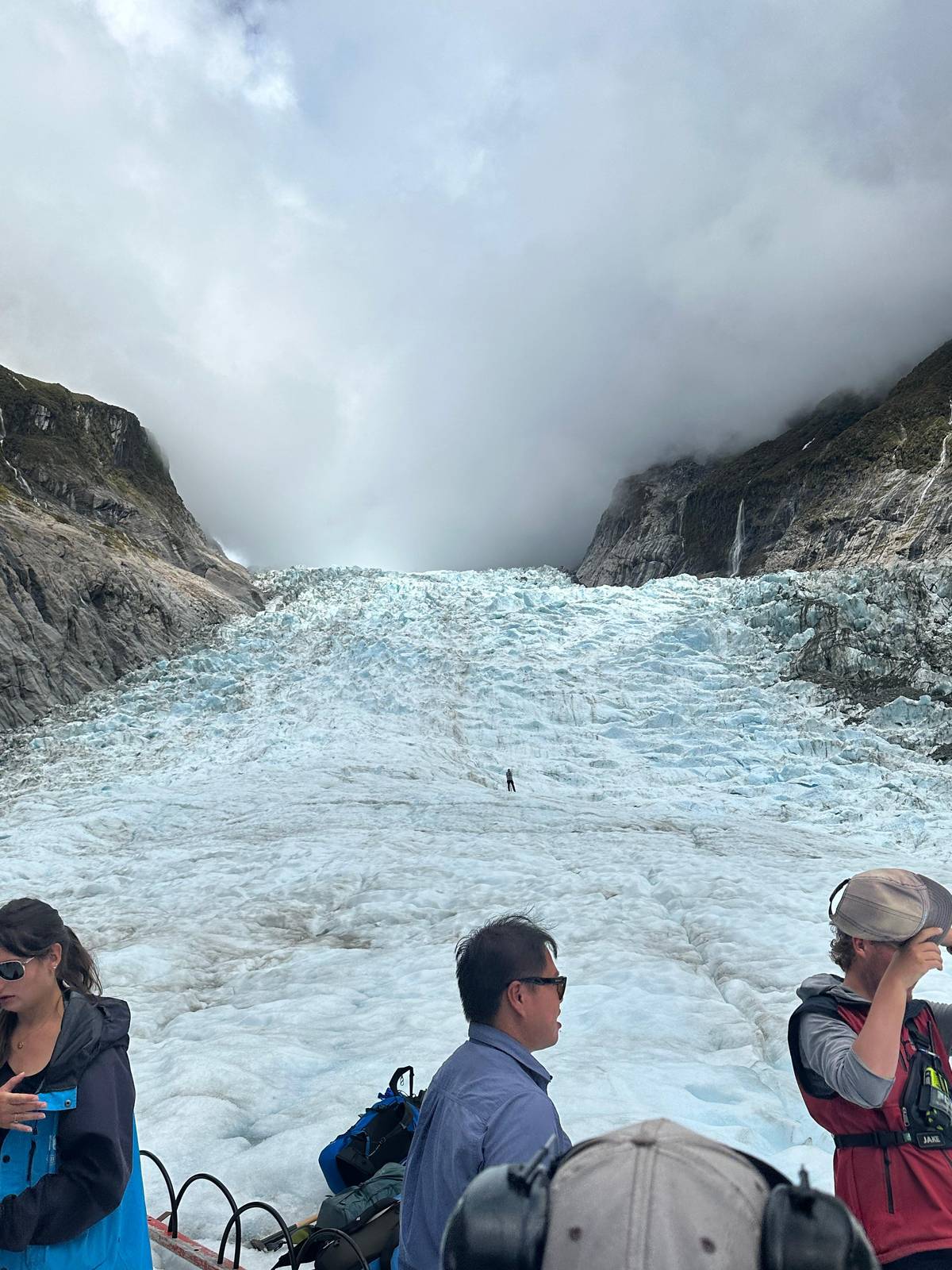 Quieter
 Least rain
Decision helper
Which month fits your trip
Start from your priority
Westland Tai Poutini National Park lies in the path of the prevailing westerly winds, which can bring heavy rain at any time of the year, with up to five metres falling annually.
Autumn: settled spells and fewer people
March and April keep much of the summer warmth. March has an average high of 18.8 °C and 13 wet days, the joint lowest count of the year.1 April has 14 wet days and an average high of 16.6 °C.1 The days shorten quickly, from 12.5 hours of daylight in mid-March to 10.9 hours in mid-April.1
By May the season is clearly changing. The average high falls to 14.6 °C and the low to 6.5 °C, with 15 wet days.1 DOC's busy season ends in April, and after that it can be easier to change a booking at short notice when a clear day appears.2
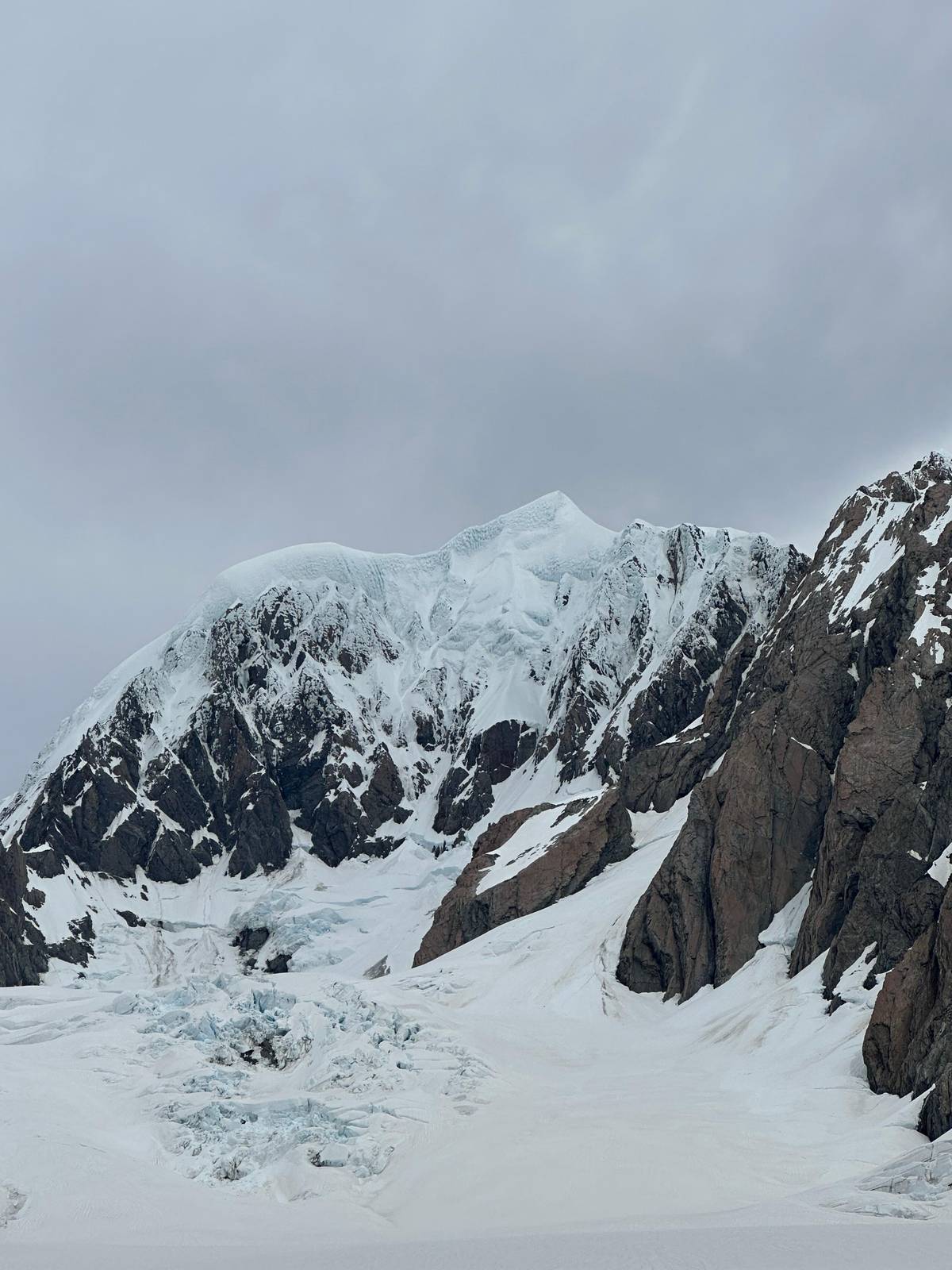
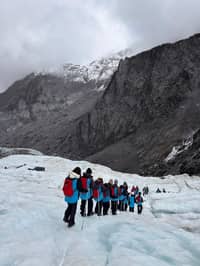
Autumn suits travelers who want space more than warmth. The forest walks are quieter, the light is softer for photographs, and the snowfields above the glacier start to whiten again. Pack a proper warm layer for the evenings and early mornings.
Checklist
Packing for any season
01
Every month
- A waterproof jacket
- A warm layer for the evenings
- A spare day for the weather
02
By season
- Summer: sunscreen and insect repellent
- Winter: a head torch for short days
- Winter: gloves for cold mornings
Cost for your group
Plan your glacier day
Choose a trip and the number of people
People
Total from$934
pp from $467
Check availabilityfree cancellationWe take the lowest GetYourGuide fare for each trip, multiply it by the people in your party and show it in your currency at European Central Bank rates; your date sets the real total.
Video
Franz Josef, Fox and Tasman glaciers: a travel guide
We only contact YouTube after you tap the play button.
Winter: cold nights, clear mornings
Winter is the coldest and darkest time, but not the wettest. July shares the fewest wet days, 13, with March, and has the least rain, 352 mm.1 Its average low is 3.1 °C and its average high 12 °C.1 June has the shortest days, with 9 hours of daylight at mid-month.1
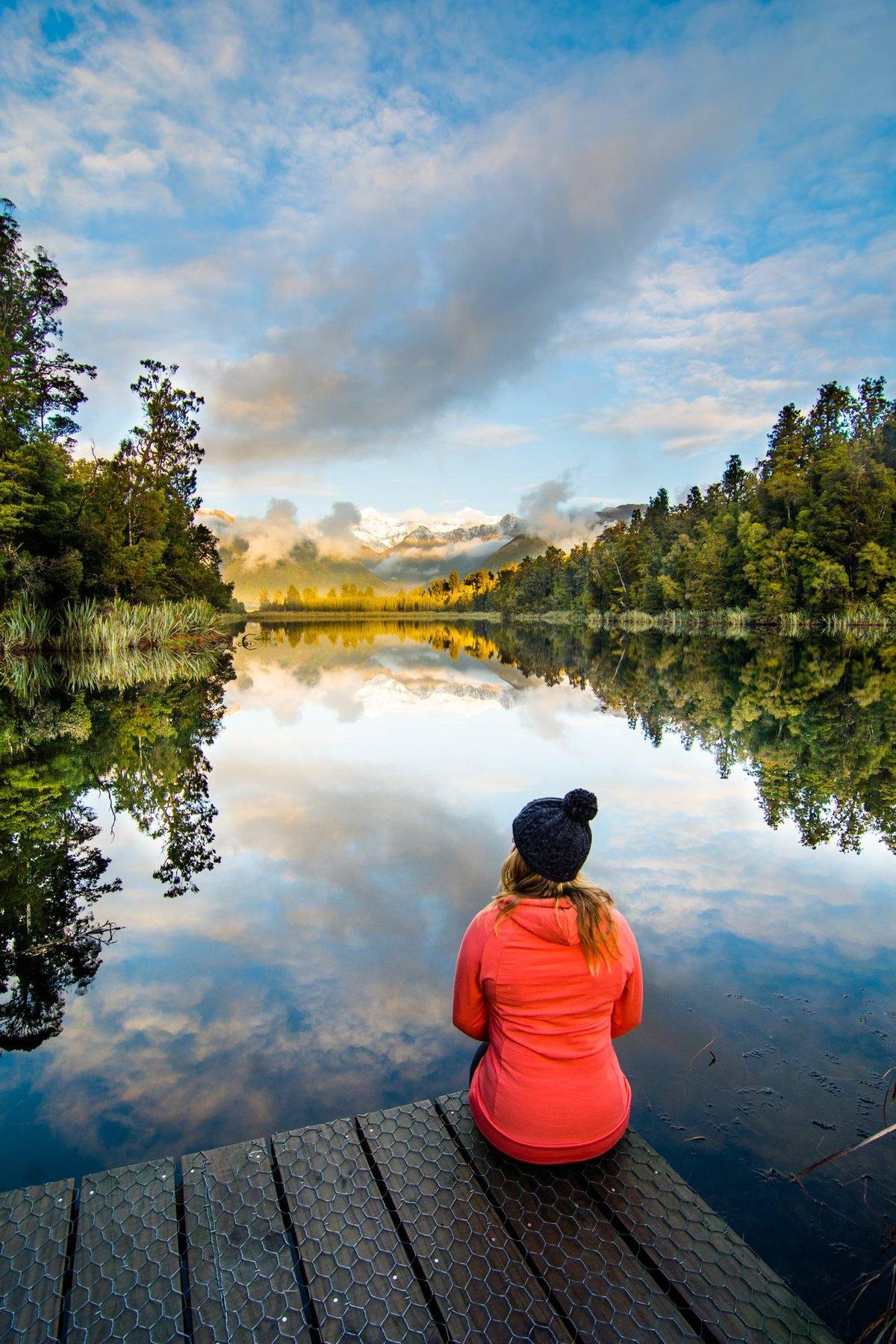
NIWA describes lowland temperatures on the West Coast as mild all year, with frosts below 0 °C and days above 25 °C both infrequent compared with most other regions.7 That mildness at sea level sits under snow-covered peaks, which can make winter mornings look spectacular from the township and from Lake Matheson.
Winter also has practical advantages. The busy season is over, so you can often choose your slot, and a cold, still morning can give very clear air. The trade-off is short days: plan one activity per day and keep driving for daylight.
Spring: the most wet days
Spring brings the most wet days in the averages. September has 18 wet days and 505 mm of rain.1 October is wetter still, with 19 wet days, the highest count of the year, and 595 mm.1 Temperatures climb slowly, with an October high of 14.9 °C.1
Daylight returns fast. Mid-October has 13.2 hours of daylight, and mid-November 14.6 hours.1 November averages 16 wet days and a high of 16.3 °C, and marks the start of DOC's busy season.12
If your trip falls in spring, build in a spare day and book flexible activities. The waterfalls along the valley walls are at their best after rain, and the forest is lush and loud with birdsong. Clear days still come, and when they do they feel like a reward.
How weather decides your glacier day
Whatever the month, the heli-hike and the flights run only when the weather allows. The heli-hike listing says every trip depends on favourable weather, and the provider recommends booking your first available day in Fox Glacier for flexibility. The confirmed time may differ from the one you asked for.
Free cancellation up to 24 hours before helps you plan around the forecast, and you can reserve now and pay later. For a flight, the 35-minute Fox and Mount Cook trip offers an alternative date or a full refund when poor weather cancels it.
Use the forecast, but do not trust it blindly in the mountains. Cloud can sit on the glacier while the township is in sunshine, and a grey morning can clear by noon. Stay in touch with your operator, keep your phone on and be ready to go when they call.
Planning a visit around the averages
Averages describe the long run, not your week. A month with many wet days can still hand you a run of clear mornings, and a dry month on paper can deliver a week of cloud. Read the numbers as odds rather than promises, then book the things that need clear weather as early in your stay as possible and keep the walks for the grey hours.
The simplest rule is to give Fox a second night whenever you can, so that a cancelled flight can move to the next morning. If you travel in the busy months, book the heli-hike well ahead and still keep the spare day. If you travel in the quiet months, you can often book at short notice and pick the clearest forecast.
Pack for every season whatever the calendar says. Even in summer the air on the glacier is cold, and even in winter the sun on the snow is strong. A waterproof jacket, a warm layer, sunglasses and sunscreen cover almost every day on the West Coast.
Changing snow and ice through the seasons
The glacier itself has a seasonal rhythm. Earth Sciences New Zealand flies its end-of-summer snowline survey each March, after the end of summer, and has done so since 1977.6 The survey measures how much of the previous winter's snow survives to feed the glaciers.
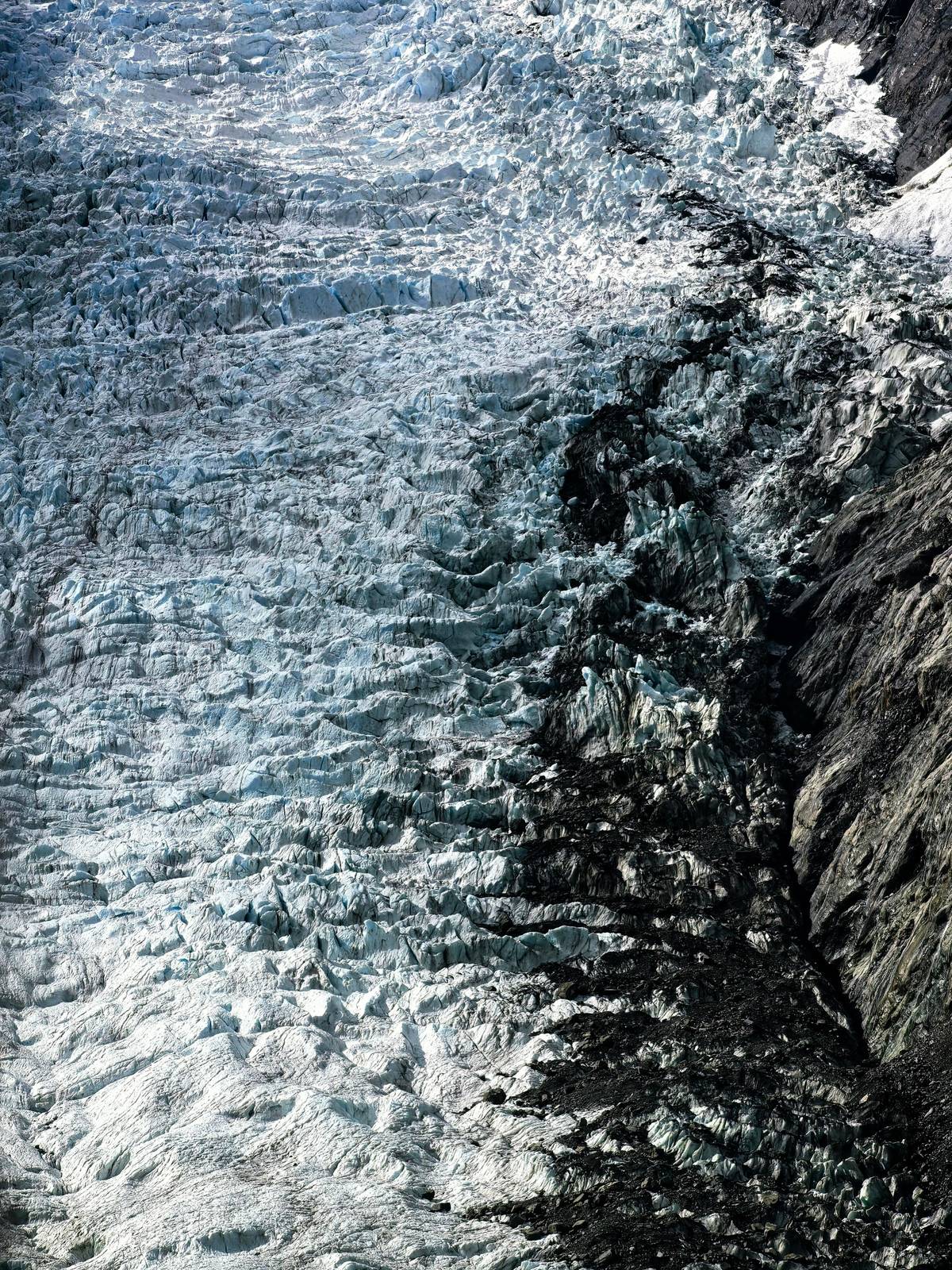
In 2026 it saw retained snow on some glaciers but no reversal of the overall trend of ice loss.8 For a visitor, that means the upper snowfields are whitest after winter and in spring, and the bare blue ice of the lower glacier shows best in late summer and autumn.
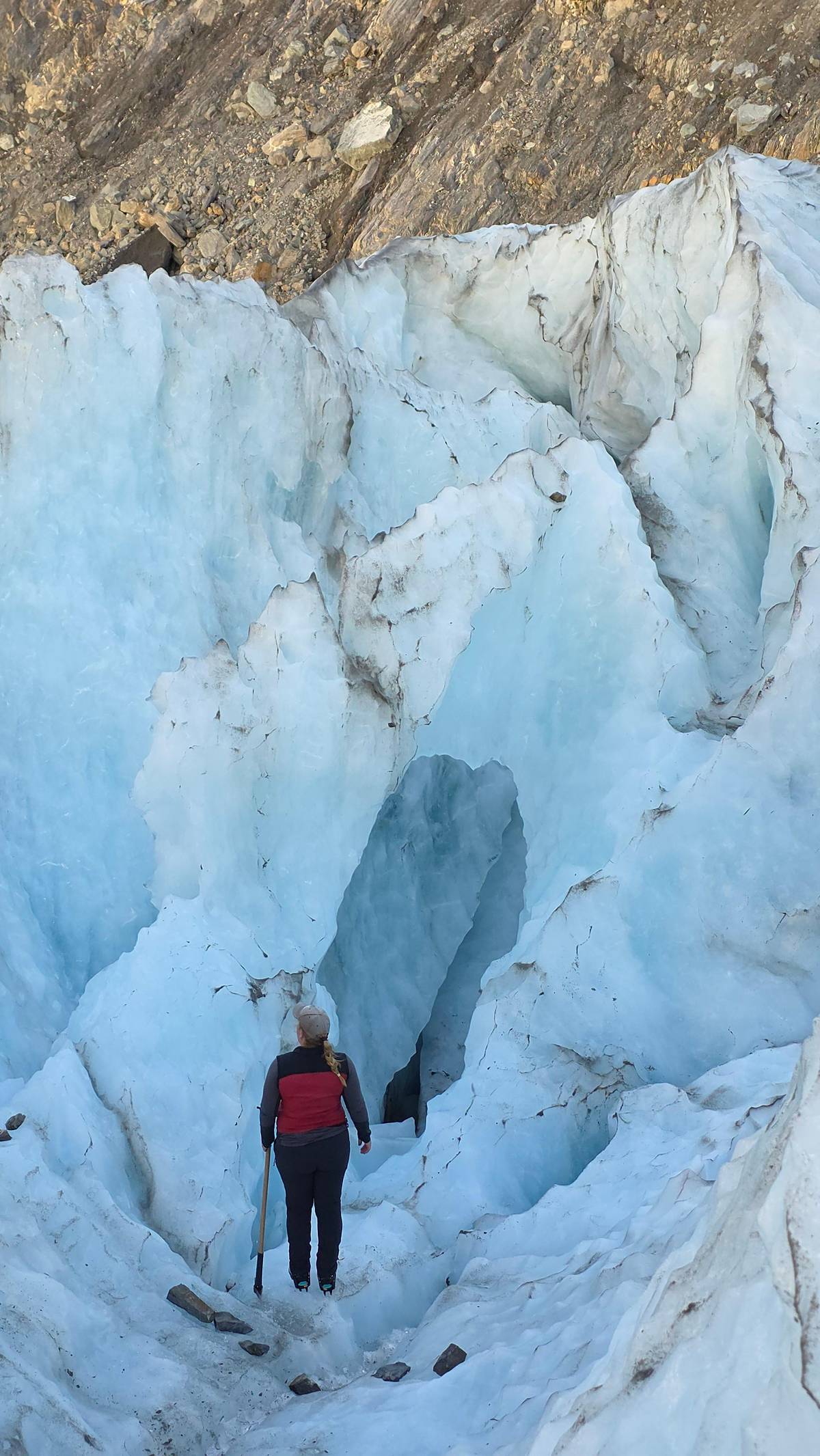
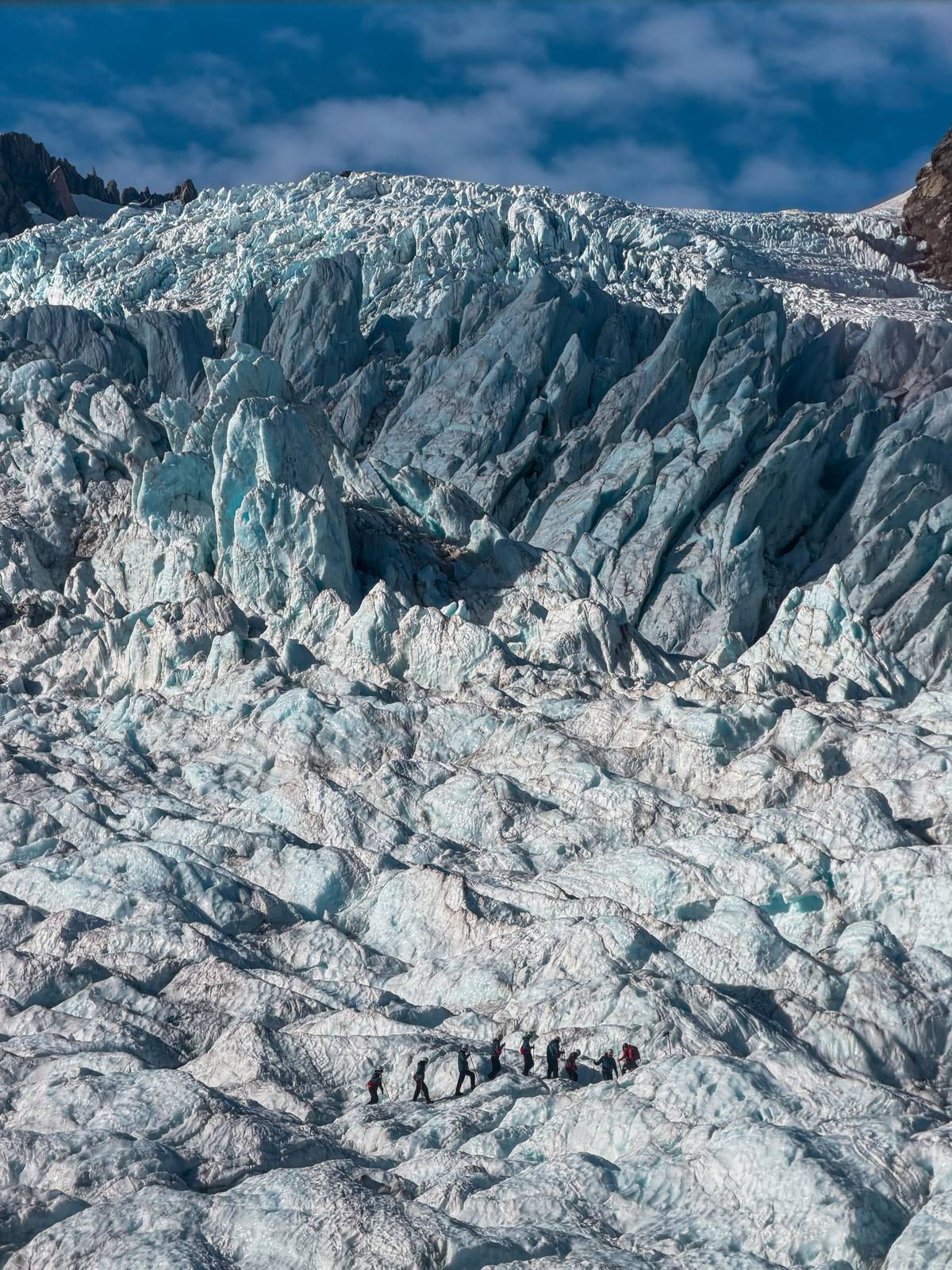
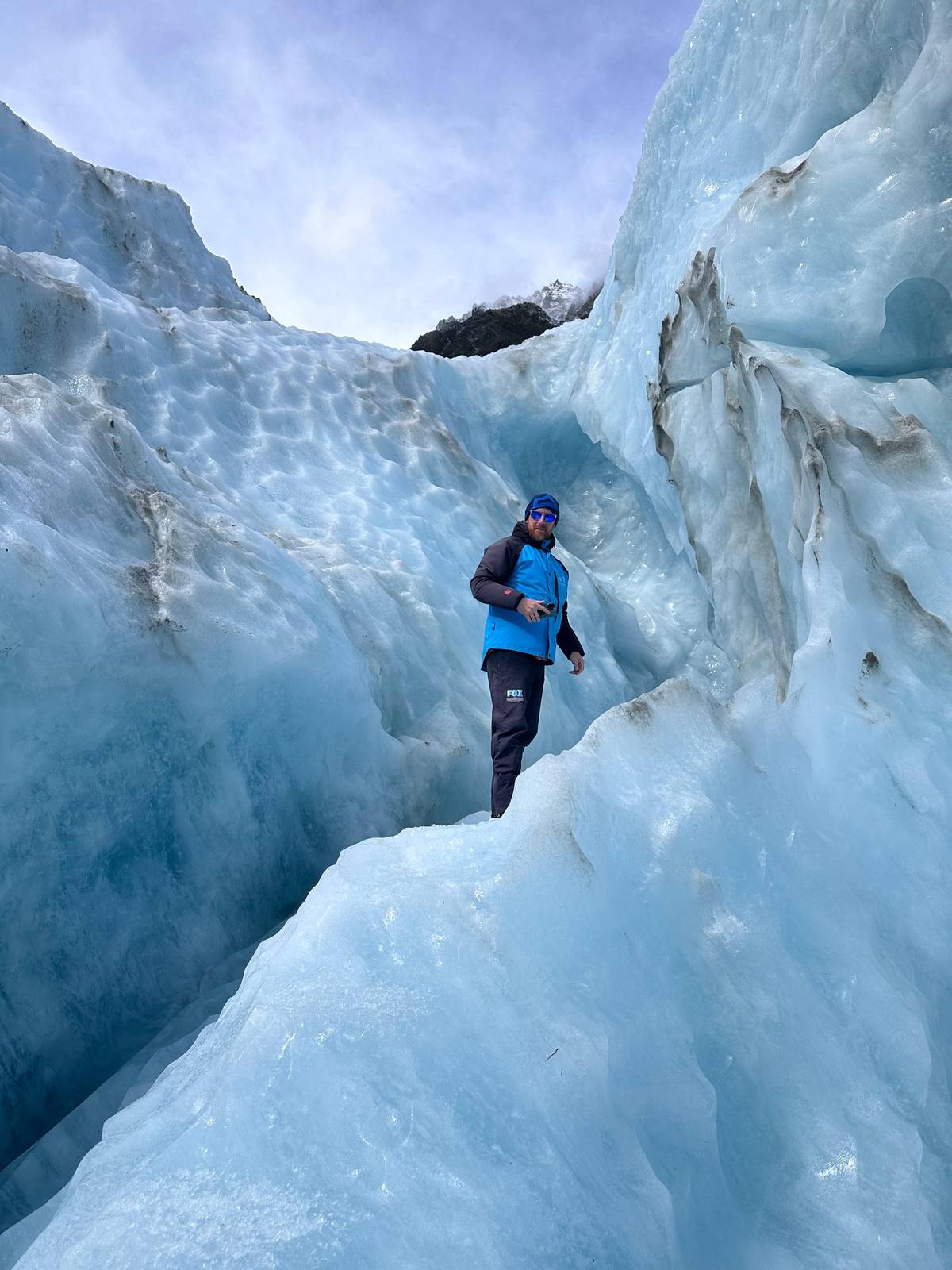
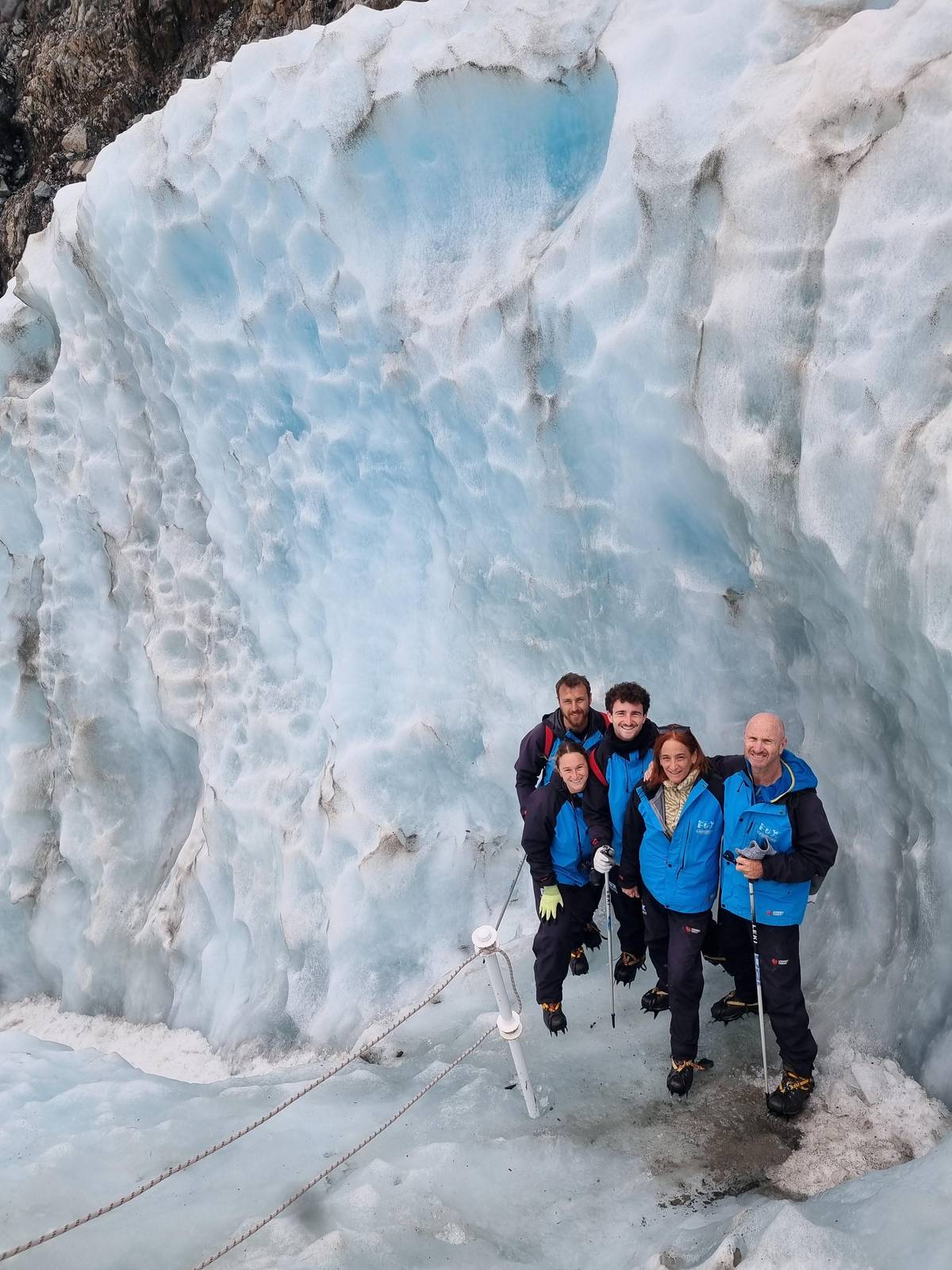
Neither is better, only different. A heli-hike in late summer shows you more bare ice, crevasses and blue colour; a snow landing in spring puts you on a deep white field. Choose your season by the picture you want, then let the weather pick the day.
Pick your day
Walk on Fox Glacier with a guide
Flights, boots, crampons and rain gear included; free cancellation up to a day before.


You ask,we answer.
What is the wettest month at Fox Glacier?
December, by rainfall. December averages 659 mm at Franz Josef in NIWA's 1981 to 2010 normals.1
Which month has the fewest wet days?
July. July and March both average 13 wet days of 1 mm or more.1
How warm is it in summer?
Highs near 20 °C. February averages a high of 19.9 °C at Hokitika.1
Does it freeze in the township in winter?
Not often. NIWA says frosts below 0 °C are infrequent in West Coast lowlands.7
When is the busy season?
November to April. DOC says Lake Matheson gets busy in those months.2
How much rain falls in a year?
Up to five metres. DOC gives that figure for Westland Tai Poutini National Park.4
What if my heli-hike is cancelled by weather?
Rebook or cancel. Cancelling costs nothing until 24 hours ahead, so book the first day you are in town.
Sources
What this text is based on
- 1↩
- 2Department of ConservationLake Matheson/Te Ara Kairaumati Walk↩
- 3Earth Sciences New Zealand (NIWA)West Coast regional climatology↩
- 4Department of ConservationWestland Tai Poutini National Park↩
- 5Department of ConservationAllocation process for flight landings in Westland Tai Poutini National Park opens (media release, 20 March 2026)↩
- 6Earth Sciences New Zealand (NIWA)Fifty years of observations, no reversal of glacier climate damage (31 March 2026)↩
- 7Earth Sciences New Zealand (NIWA)West Coast regional climatology↩
- 8Earth Sciences New Zealand (NIWA)Fifty years of observations, no reversal of glacier climate damage (31 March 2026)↩